Education Estates 2026: reflecting on the challenges and opportunities ahead
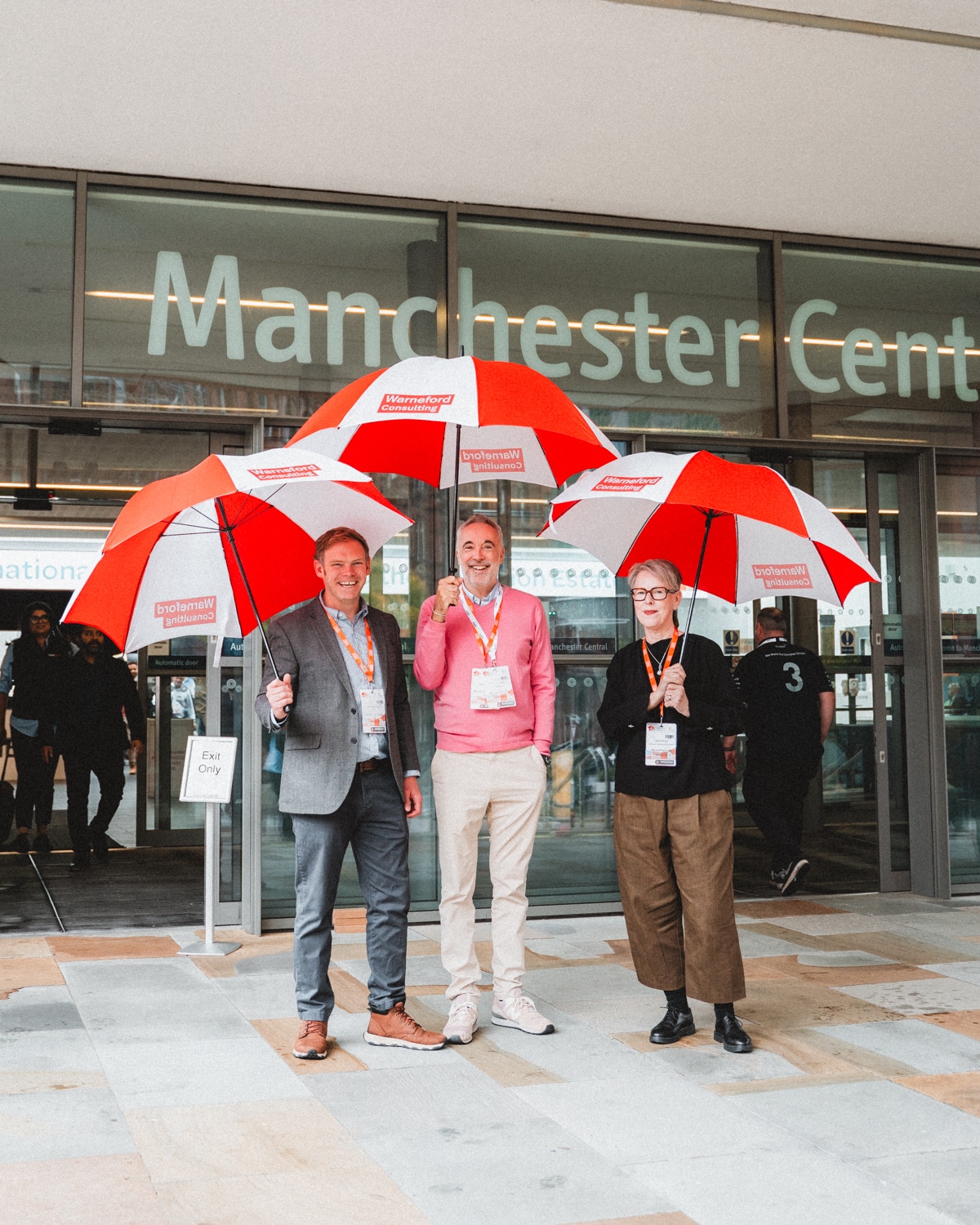
Warneford Consulting has wrapped up two busy days at Education Estates 2026 in Manchester, joining education leaders, estate professionals and sector specialists to discuss the challenges and opportunities shaping the future of education estates.
Exhibiting at stand 237, the team used the event to share ideas, explore emerging priorities and discuss how schools and trusts can make better-informed decisions about their buildings, facilities and long-term investment.
 Tim Warneford and James Smurthwaite contributed to the conference programme through a series of appearances. Tim chaired on day one on the main “Shaping Tomorrow Stage” and the Putting Education Estates Strategy into Practice event exploring how trusts can translate strategic ambitions into practical action. James also chaired on Healthy Schools and If Buildings Could Talk, events examining the relationship between the built environment, wellbeing and the learning experience.
 Tim also hosted a fireside discussion, bringing further attention to the practical questions facing those responsible for managing and developing education estates and was joined on the panel by solicitor Jo Burton, governance expert Julie Lawson and Andrew Garwood-Watkins, operations director of the London Diocesan board of schools. The event was an “open surgery” where estate delegates brought their specific school estate problems to the assembled panel and where best practice was shared and likely future challenges were debated.
These conversations took place against the backdrop of the Department for Education’s ten-year Education Estates Strategy, with its focus on long-term planning, better estate information, standards and investment priorities. For academy trusts and further education providers, the challenge is not simply understanding the condition of their buildings but using that knowledge to make informed decisions about risk, resources and the environments they provide for learners and staff.
 GEMZ, the strategic estate intelligence platform powered by Warneford Consulting, supports this process by helping trusts bring together the information they need to understand their estates and plan ahead.
The event was one of mixed emotions for Tim, as during the two days, the DfE published their guidance documents for responsible bodies to use for the forthcoming round of Condition Improvement Fund (CIF) applications for 2027-28 and simultaneously confirmed that CIF will be phased out in 2028. Step 2 the organisers of the Education Estates Conference, also announced that from 2027, the event will relocate to London, marking another end of era.
 However, the two days recorded record numbers of presentations, stands, delegates and many stated that it was the best year that they had experienced and that they hoped that the move south would continue to deliver what they believe to the be the best conference on the busy education circuit.
Education Estates provides an important opportunity for the sector to share experience and consider how best to respond to changing expectations. For Warneford Consulting, the conversations will continue beyond Manchester, supporting trusts as they turn estate strategy into practical, achievable plans.
To find out more about Warneford Consulting and to book a GEMZ demonstration, contact us