
Energy Case Study
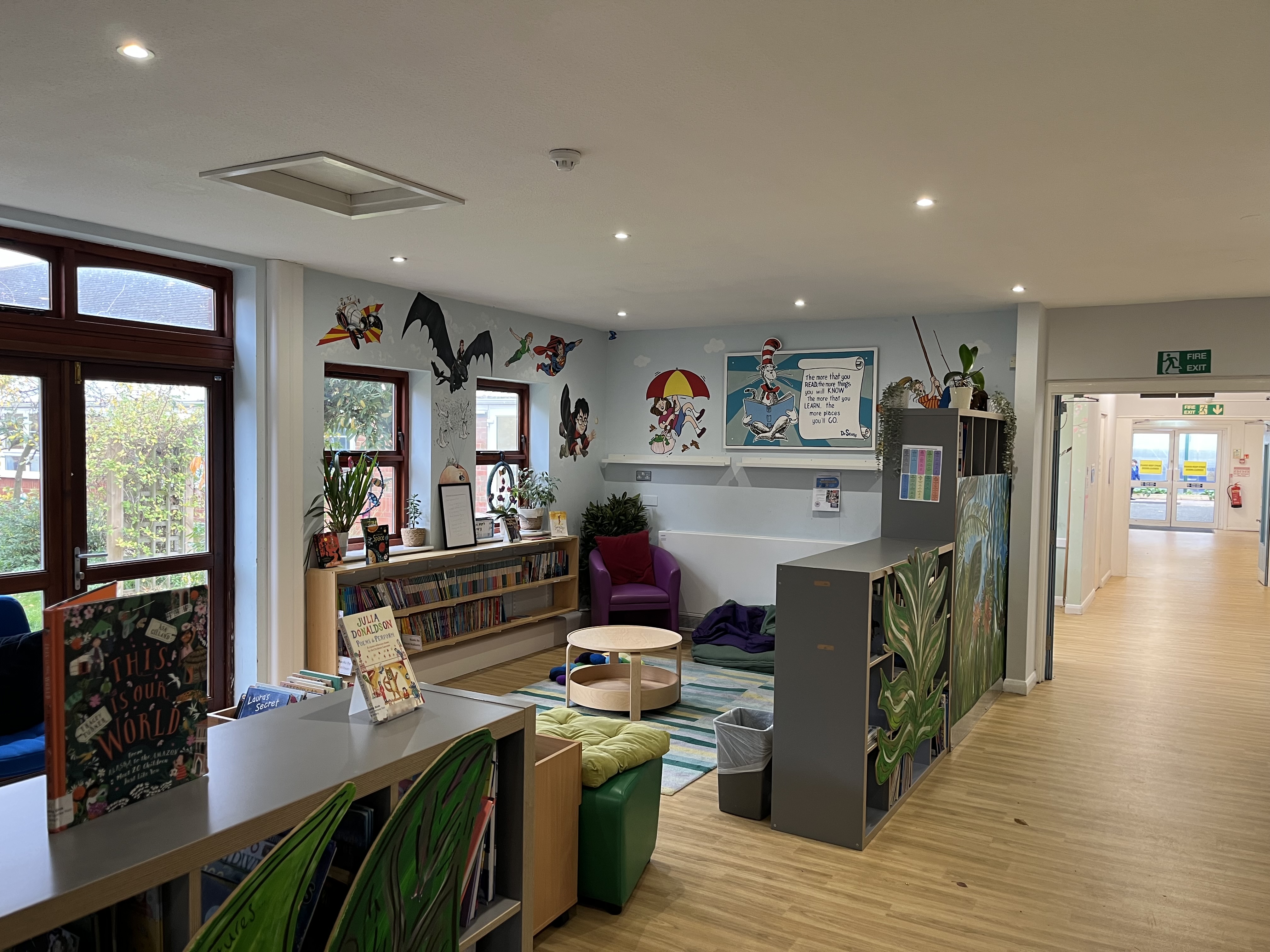
Latchmere School – Improving Heating Reliability and Energy Efficiency Across the Estate
Project Summary
Client: Latchmere School
Project: Heating infrastructure upgrade and energy efficiency improvements
Funding: Condition Improvement Fund (CIF)
Scope: Heating system renewal, electrical distribution balancing and LED lighting upgrade
Energy Reduction: 83,500 kWh annual electricity reduction projected
Financial Saving: Approximately £22,800 per year
Carbon Reduction: Around 16 tonnes CO₂e annually
The Challenge
Latchmere School had been experiencing long-standing reliability issues with its heating systems across a mixed estate of buildings of varying ages. Faulty heat pumps and ageing equipment struggled to maintain consistent temperatures during the winter months.
At times, parts of the estate, including Discovery House, became unusable, requiring pupils to be relocated elsewhere on site. The school frequently relied on plug-in electric heaters to keep classrooms operational.
While this allowed teaching to continue, the additional electrical demand placed significant strain on the site’s infrastructure. During one winter period the load from temporary heaters caused electrical failures due to overloading.
The school therefore needed a long-term solution to restore heating reliability, reduce electricity demand and improve overall estate efficiency.
Work Undertaken
Working with Warneford Consulting, the school developed a phased programme of improvements informed by a Stage 1 Decarbonisation Energy Report commissioned in 2023.
In the short term, a rebalance of the electrical distribution system was undertaken after an unsuccessful CIF bid in 2024/25. This ensured temporary heating equipment could be safely operated while a revised funding application was prepared.
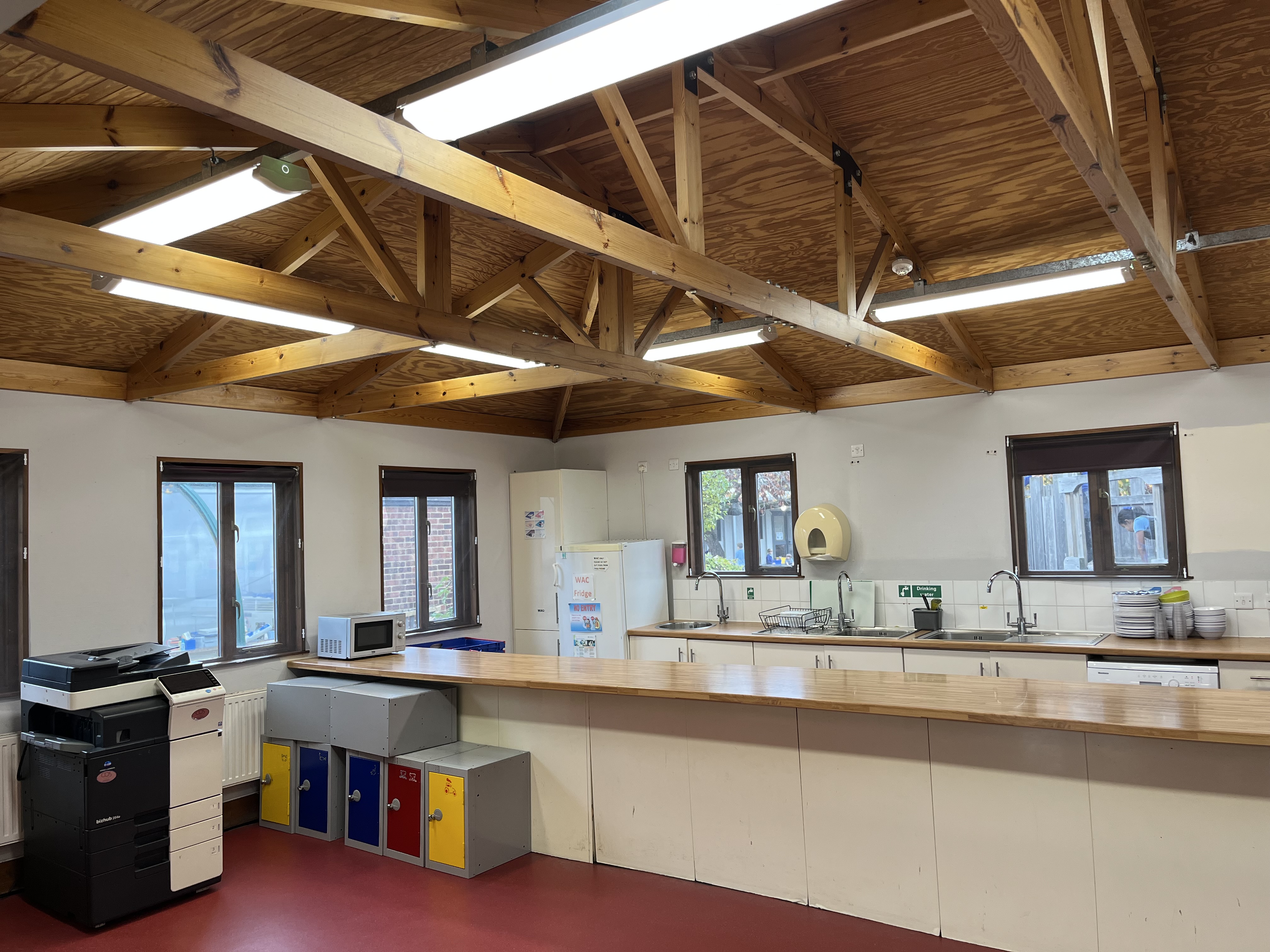
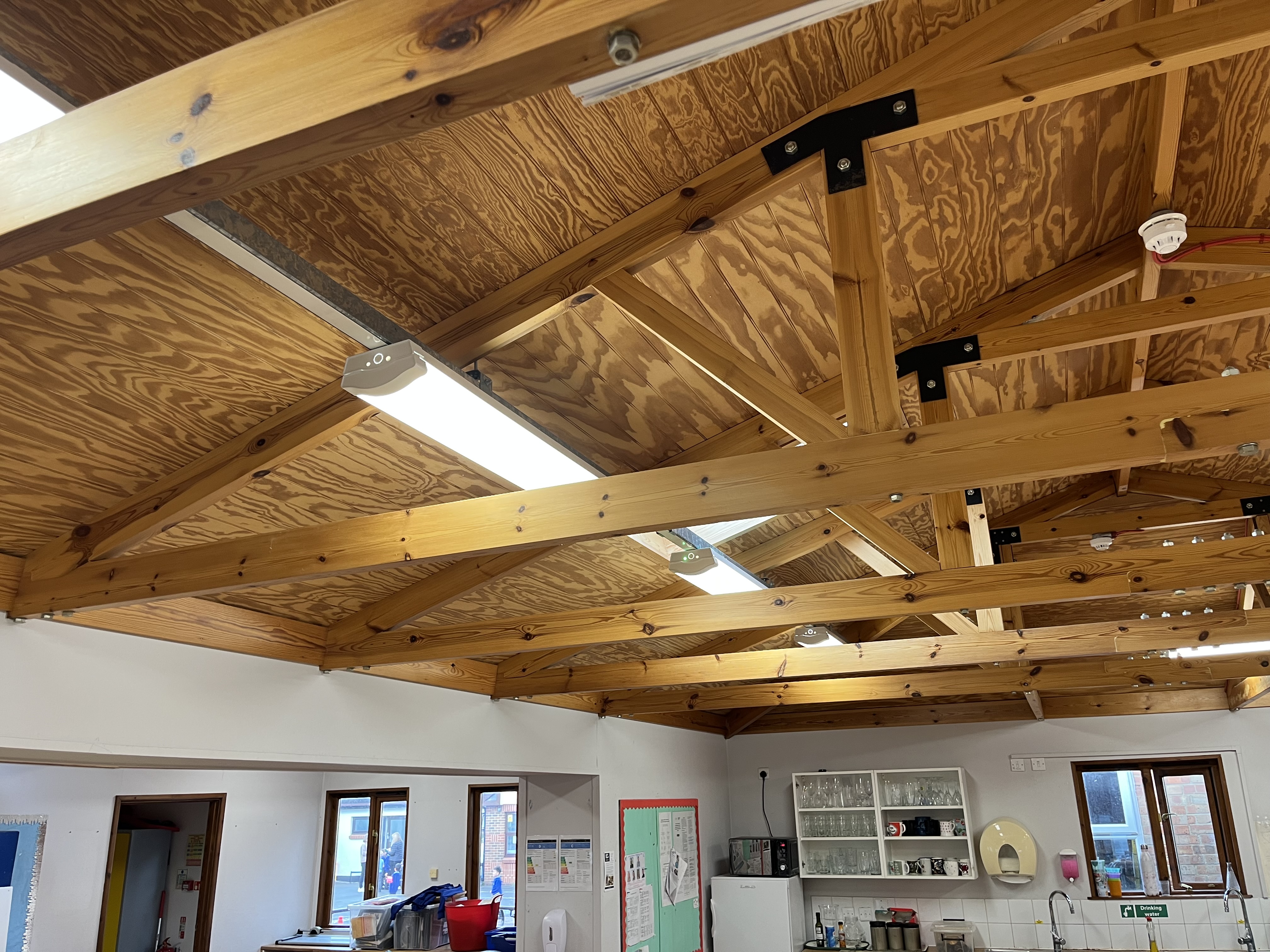
Alongside these operational measures, the school began implementing energy efficiency improvements recommended in the report. A full LED lighting upgrade was completed in early 2025, replacing outdated fittings with modern high-efficiency luminaires.
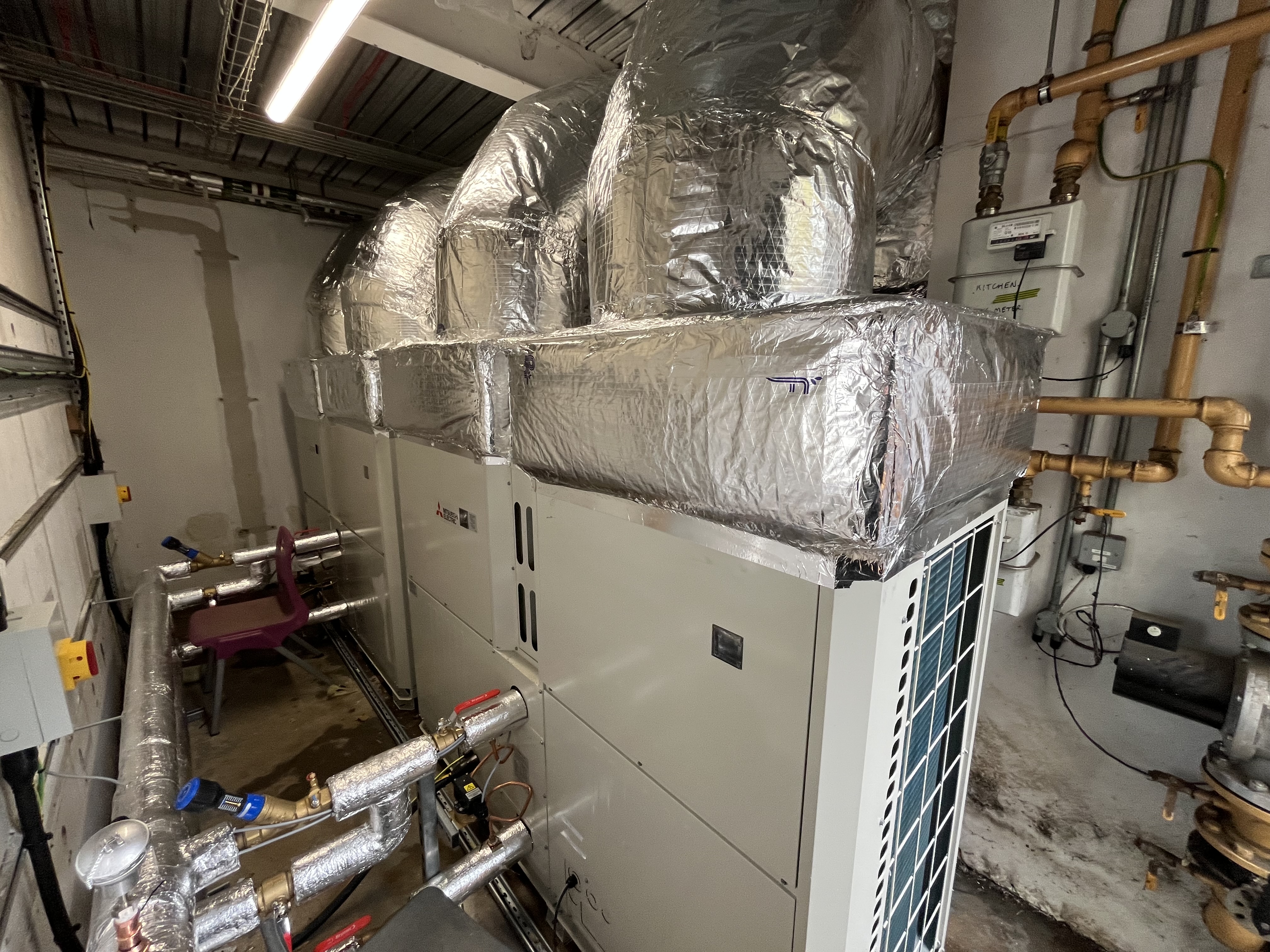
A successful CIF award for 2025/26 enabled a comprehensive upgrade of the site’s heating infrastructure. Works included replacement of faulty heat pumps in Discovery House, installation of new gas boilers, upgraded pipework and modern heat emitters across the main school building.
The Results
The improvements have significantly improved heating reliability across the site. Classrooms that previously struggled to maintain comfortable temperatures can now be heated efficiently without relying on temporary electric heaters.
The LED lighting upgrade alone has reduced electricity demand by approximately 11%, equating to around 38,500 kWh saved annually.
With the removal of plug-in heaters and improved heating infrastructure, the school is projected to reduce electricity consumption by approximately 83,500 kWh per year, delivering an estimated £22,800 annual saving.
These improvements are also expected to reduce the school’s carbon emissions by around 16 tonnes of CO₂e annually.
Strategic Impact
With reliable heating now in place and electricity demand significantly reduced, the school is exploring the installation of solar photovoltaic panels to further reduce reliance on grid electricity.
Through a combination of targeted energy efficiency improvements and successfully secured capital funding, Latchmere School has addressed critical operational risks while creating a more stable and efficient estate.
Working with Warneford Consulting, the school has improved comfort for pupils and staff while creating a clear pathway toward long-term sustainability.
Client Testimonial
The work that’s now been completed has made a huge difference. The classrooms are warm, the systems are reliable and the site is much easier to manage. Alongside the new LED lighting the whole environment feels brighter and more comfortable for both staff and pupils. It’s been a real step forward for the school.”
Adele Rowe, CFO, Latchmere Academy Trust
