
Energy Case Study
Sutton Coldfield Grammar School for Girls – Transforming a Historic Estate Through Strategic Energy and Infrastructure Investment
Project Summary
Client: Sutton Coldfield Grammar School for Girls
Project: Estate-wide heating and infrastructure renewal
Funding: Multiple Condition Improvement Fund (CIF) projects
Scope: Plant room renewal, heating network replacement, fabric upgrades and LED lighting improvements
Energy Impact: Gas consumption reduced by approximately 50%
Financial Saving: Around £65,000 per year
Carbon Reduction: Up to 73% reduction projected following full electrification
The Challenge
Sutton Coldfield Grammar School for Girls occupies a historic estate dating back to the 1920s. Ageing infrastructure and outdated building fabric were contributing to unreliable heating, higher energy consumption and increased maintenance demands.
The school wanted to improve comfort for students and staff while preparing the estate for future decarbonisation. Achieving this required a strategic programme of infrastructure renewal supported by external funding.
Working with Warneford Consulting, the school developed a phased improvement plan supported by successful Condition Improvement Fund (CIF) applications.
Work Undertaken
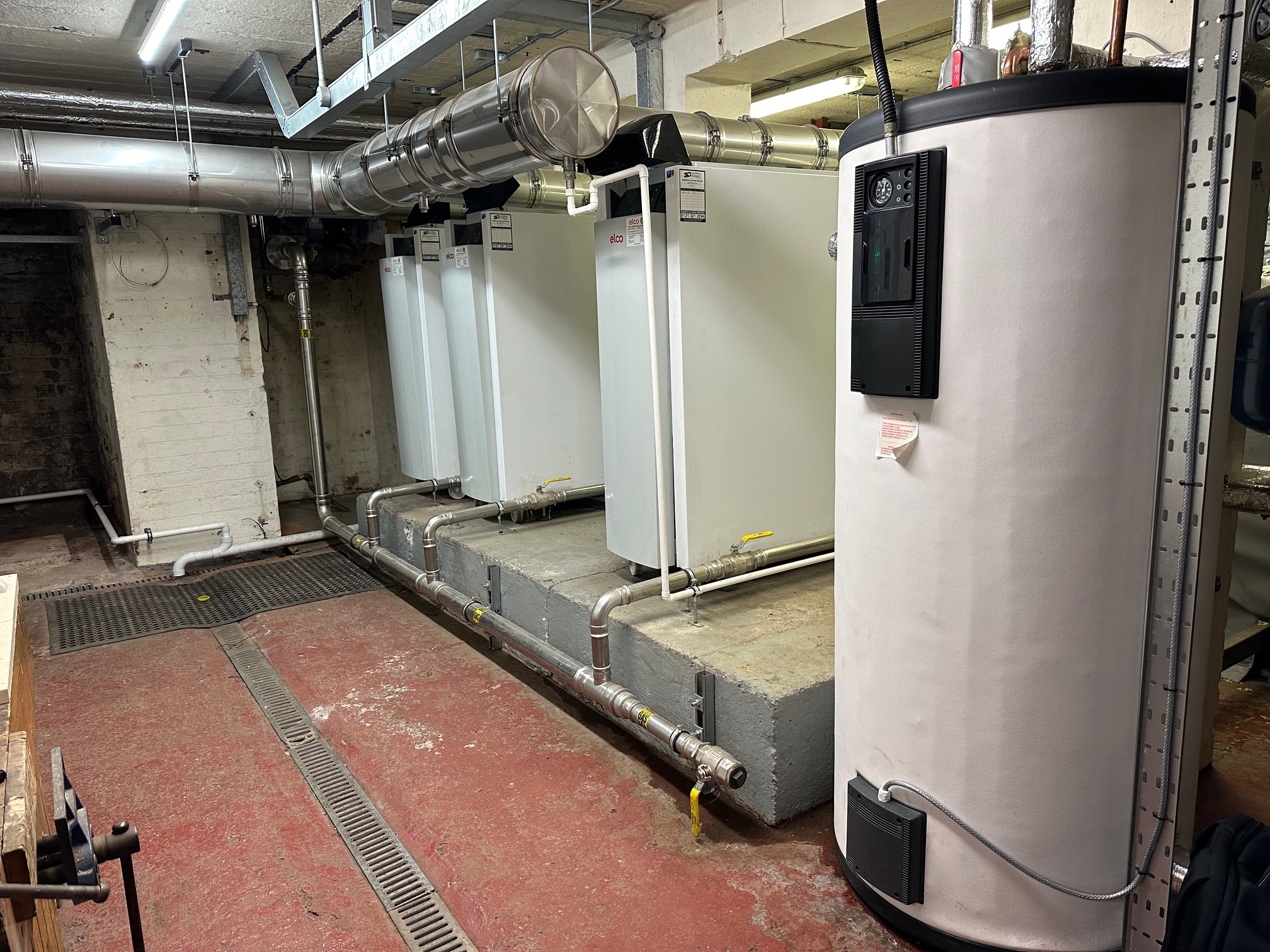
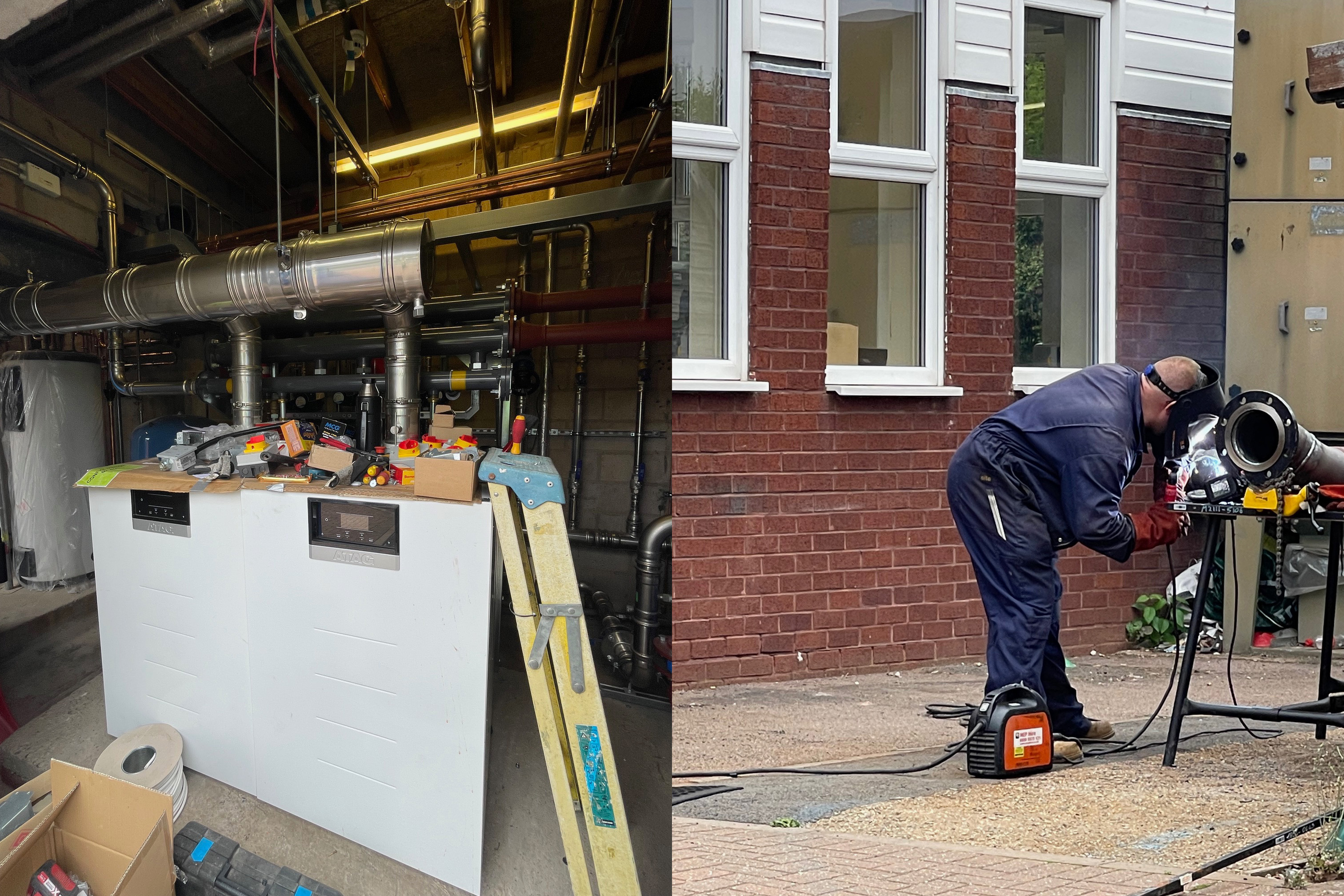
The first CIF-funded project focused on renewing the main plant room. Works included replacing ageing gas plant, removing asbestos-containing materials and installing new gas supply pipework to improve safety and reliability.
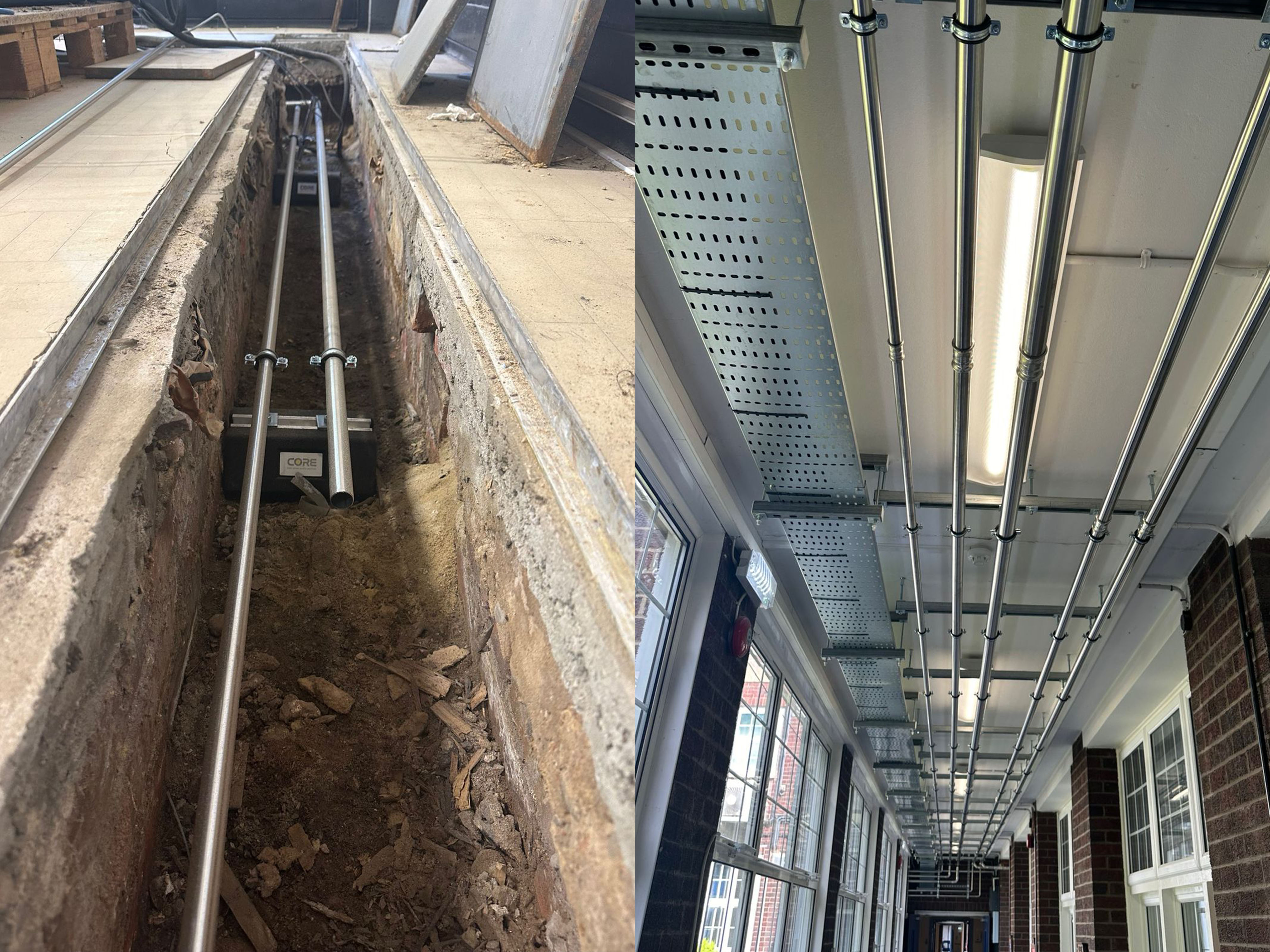
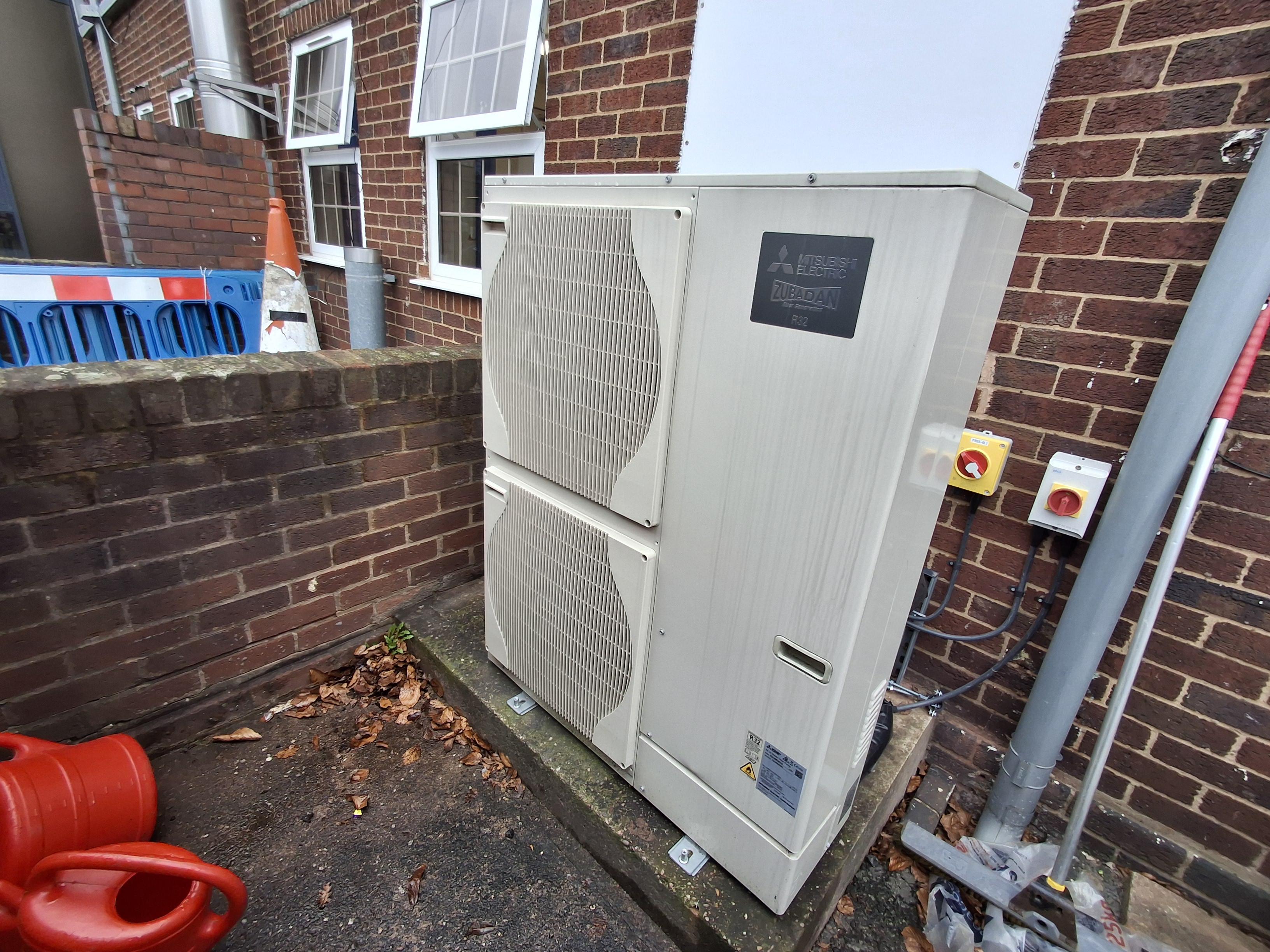
A second CIF project extended improvements across the wider estate, replacing failing heating pipework and emitters while introducing an air source heat pump to provide low-carbon domestic hot water.
Alongside these mechanical upgrades, the school adopted a Fabric First approach, replacing roofs and windows and improving insulation to enhance thermal performance.
To support ongoing energy management, the school also joined Warneford Consulting’s energy consortium, gaining access to a live monitoring platform to track energy consumption and system performance.
The Results
The programme of improvements has delivered significant reductions in energy use and operating costs.
Between 2020-21 and 2024-25, the school’s gas consumption has reduced by approximately 50%, while electricity consumption has fallen by around 10%, with further reductions expected following a recent LED lighting upgrade.
Annual energy costs have fallen from approximately £190,000 to £130,000, despite higher unit energy prices, delivering savings of around £65,000 per year.
The improvements have also enhanced the learning environment, with warmer classrooms, improved lighting and more reliable building services.
Strategic Impact
The upgrades have created a strong foundation for the school’s long-term sustainability strategy.
Future electrification of heating systems, supported by the existing air source heat pump and potential solar photovoltaic installation, is expected to reduce the school’s carbon emissions by up to 73%.
Improvements to the roof structure have also positioned the school to explore solar PV installation, further supporting its ambition to generate renewable electricity on site.
Through a carefully planned programme of improvements delivered in partnership with Warneford Consulting, Sutton Coldfield Grammar School for Girls has transformed its historic estate into a more efficient, reliable and future-ready environment.
Client Testimonial
